


Foundation and Floor Waterproofing
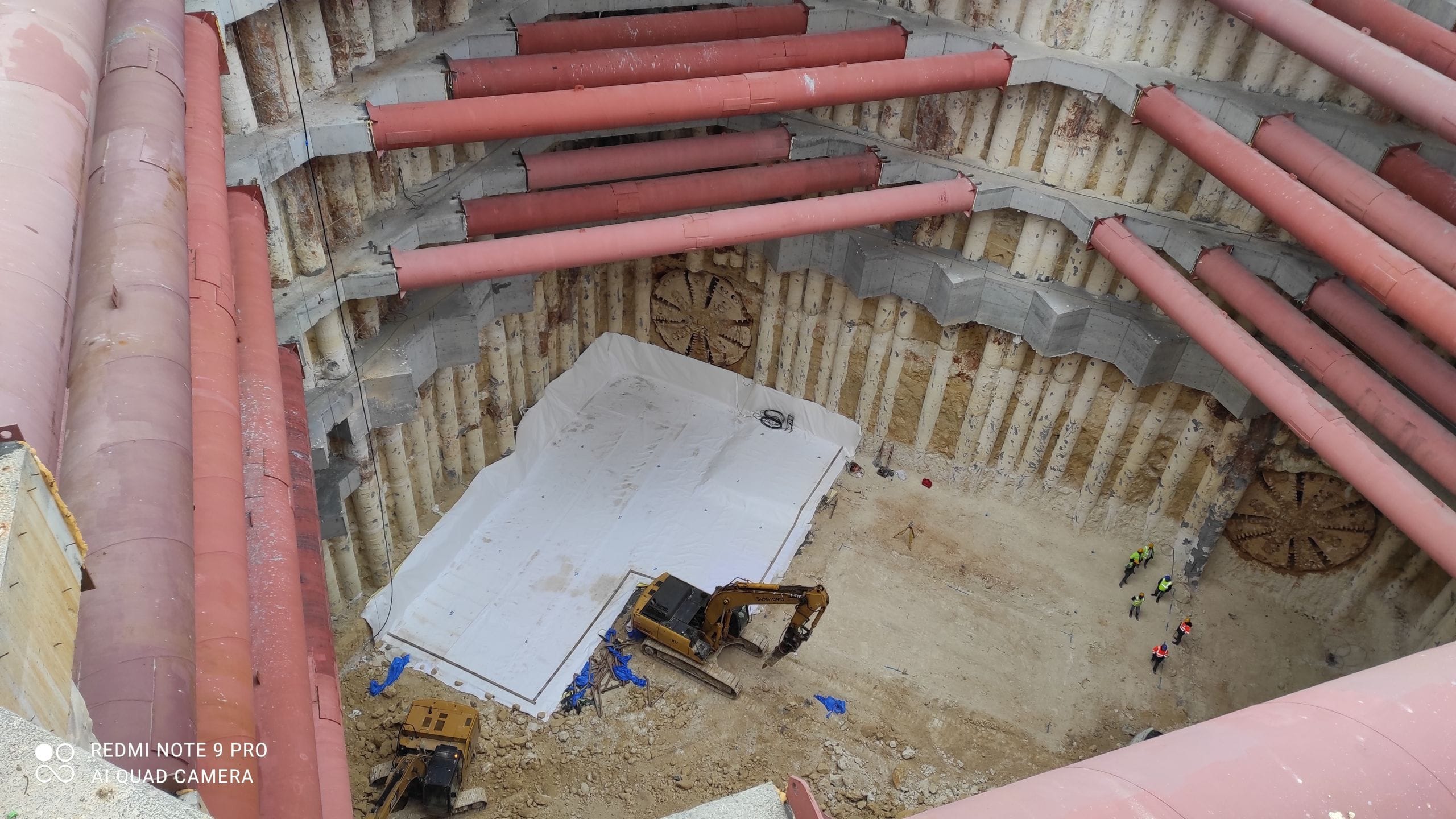
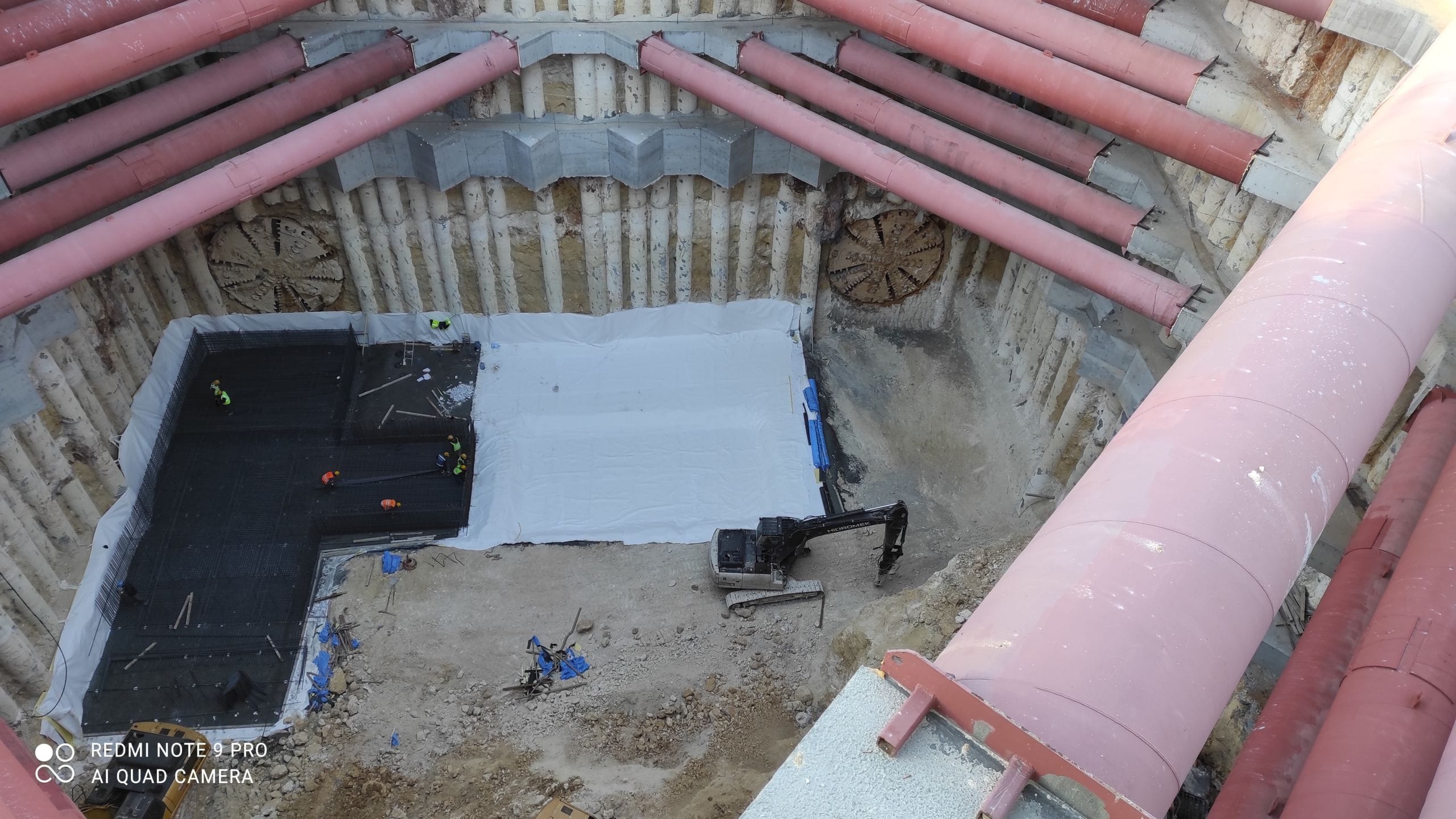
Floor Waterproofing or Foundation Waterproofing Today, great attention is paid to ensuring that the foundation is solid and properly insulated, as well as the aesthetic appeal of buildings. Proper foundation waterproofing can protect the entire building and extend its lifespan.
The fundamental requirement for good foundation waterproofing is the selection of the right details and proper application. In our country, these products are manufactured according to TS EN 13967 and TS EN 13956 standards and applied to buildings according to TS 13658. Synthetic-based waterproofing materials have a wide range of applications due to their resistance to aging, weldability, watertightness, ease of application, and mechanical strength. Furthermore, synthetic-based membranes are resistant to UV radiation and ozone, generally have a wide range of operating temperatures, and do not decay easily.
The fundamental requirement for good foundation waterproofing is the selection of the right details and proper application. In our country, these products are manufactured according to TS EN 13967 and TS EN 13956 standards and applied to buildings according to TS 13658. Synthetic-based waterproofing materials have a wide range of applications due to their resistance to aging, weldability, watertightness, ease of application, and mechanical strength. Furthermore, synthetic-based membranes are resistant to UV radiation and ozone, generally have a wide range of operating temperatures, and do not decay easily.
Materials used in foundation and floor waterproofing and application
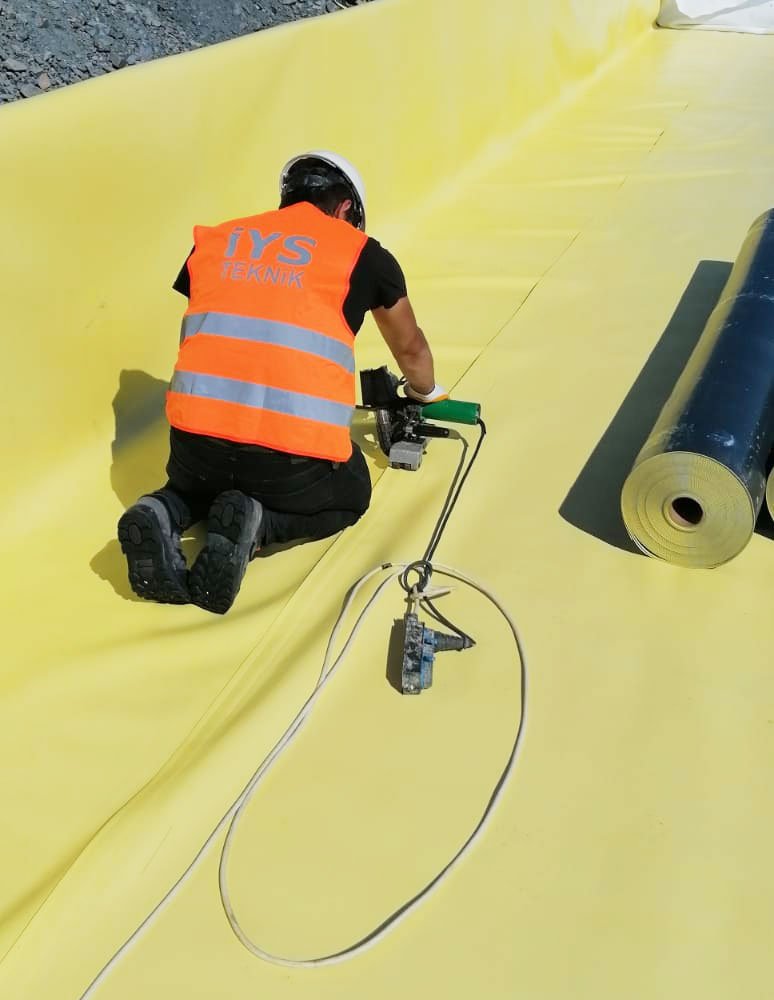
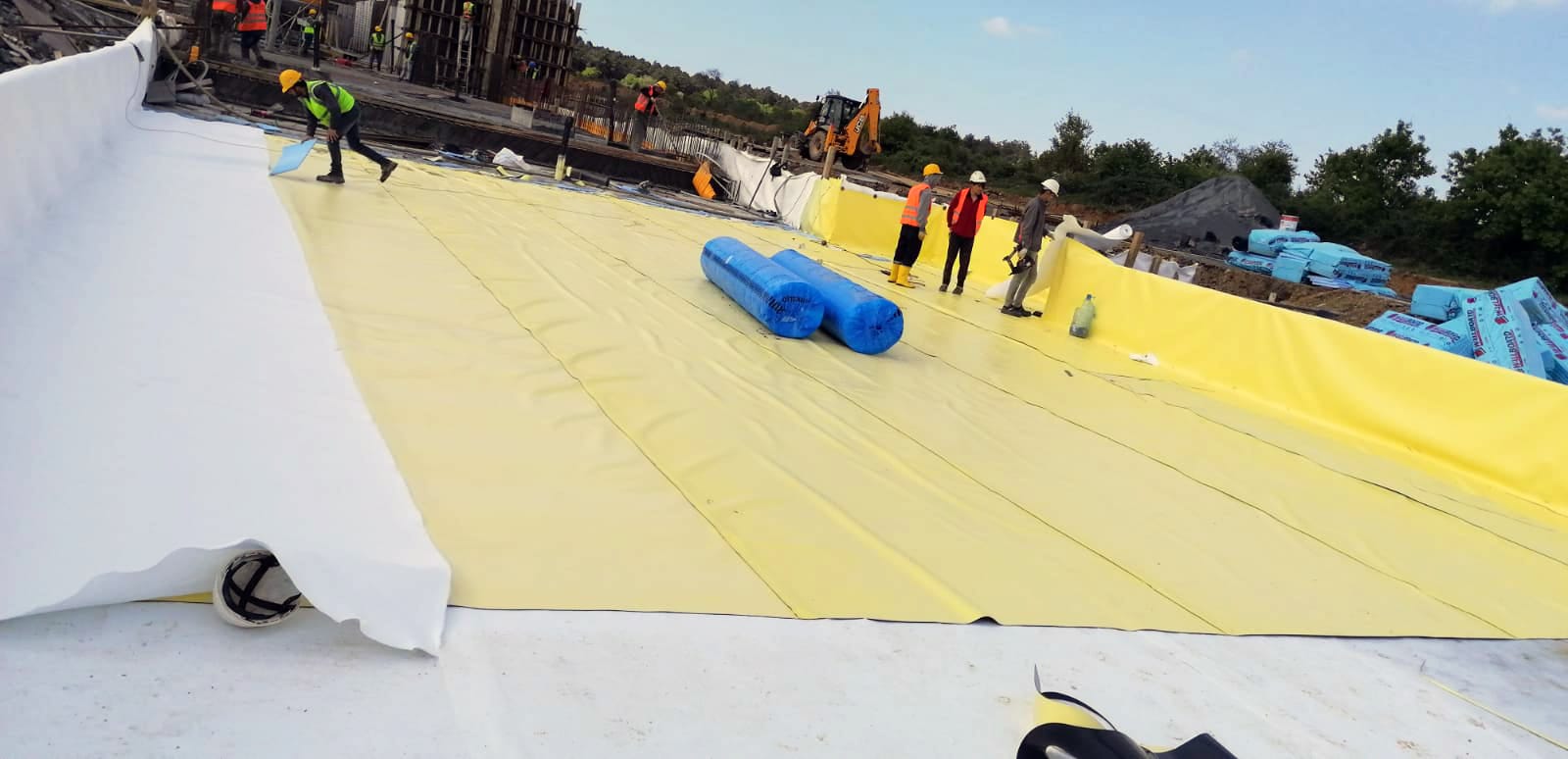
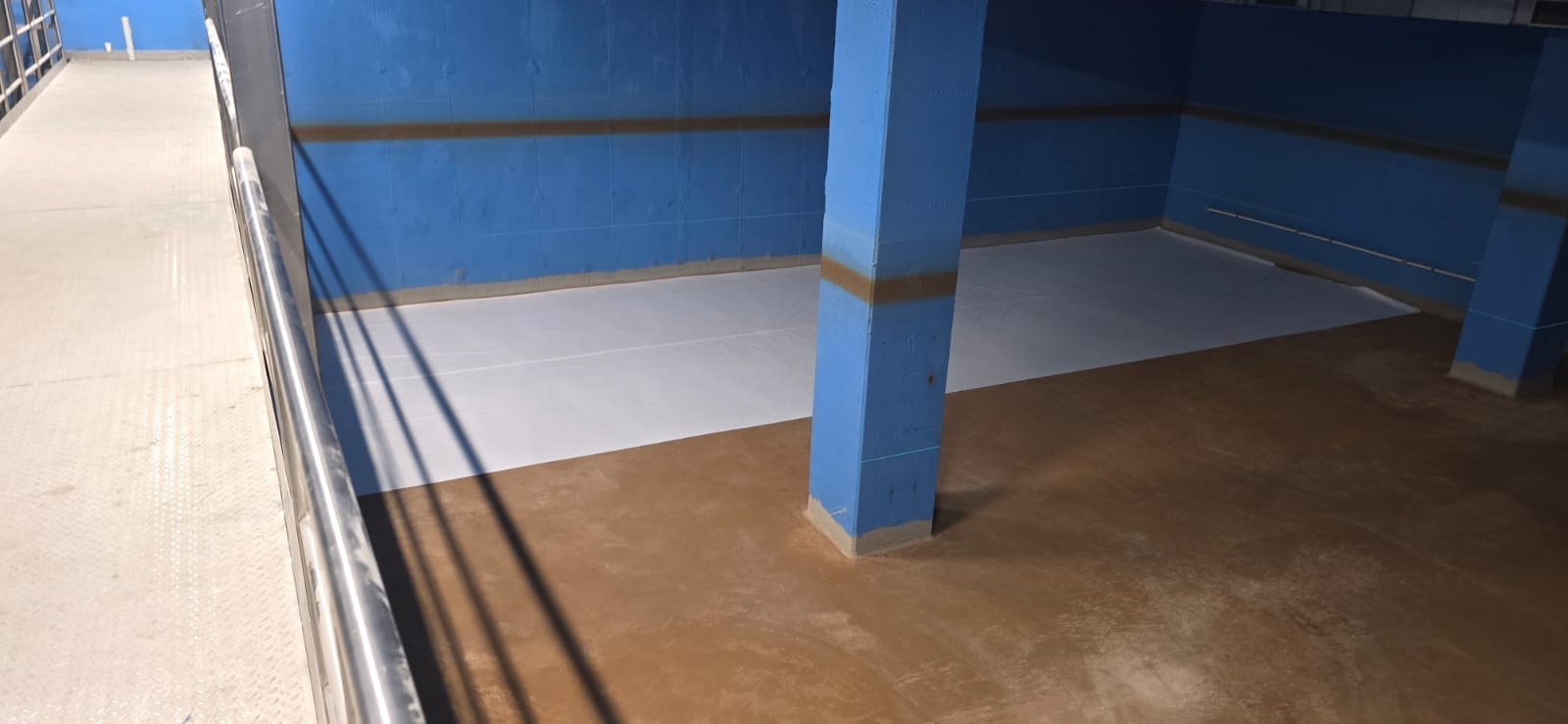
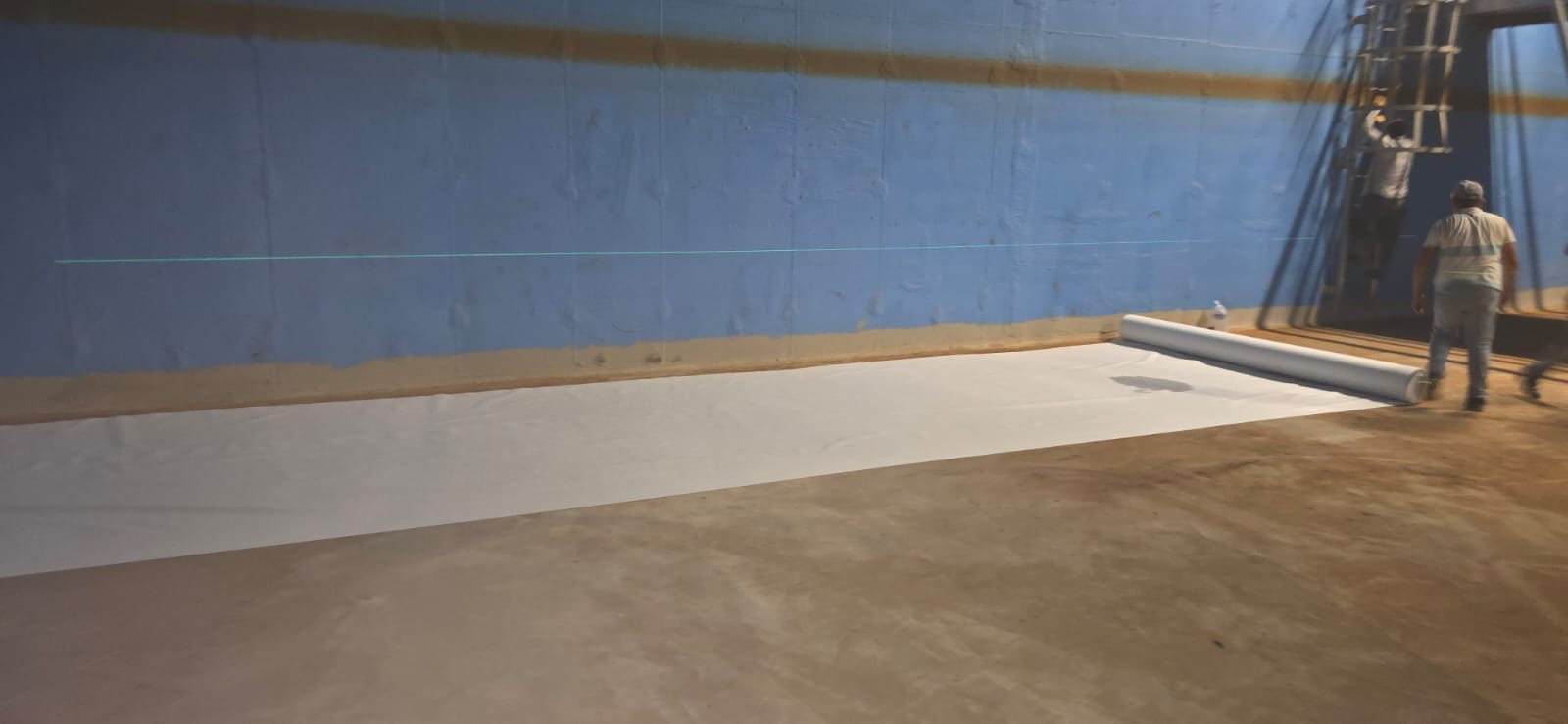
Polyvinylchloride (PVC) group synthetic membranes can be used for foundation and floor insulation against groundwater. They are highly resistant to chemicals and sunlight (UV) and begin to deform at temperatures of 70˚C. For this reason, they are applied only with hot air blowers or solvent-based adhesives.
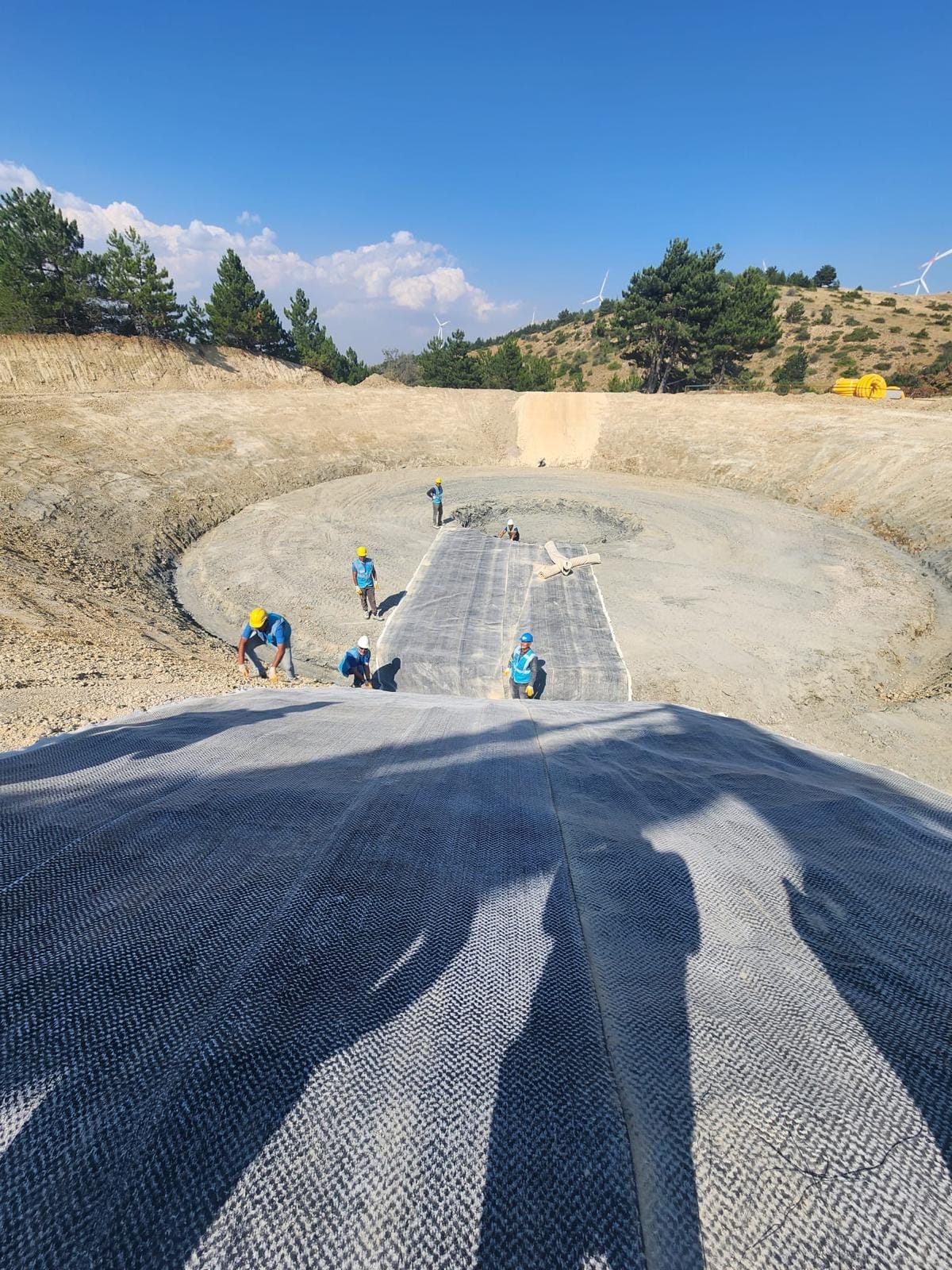
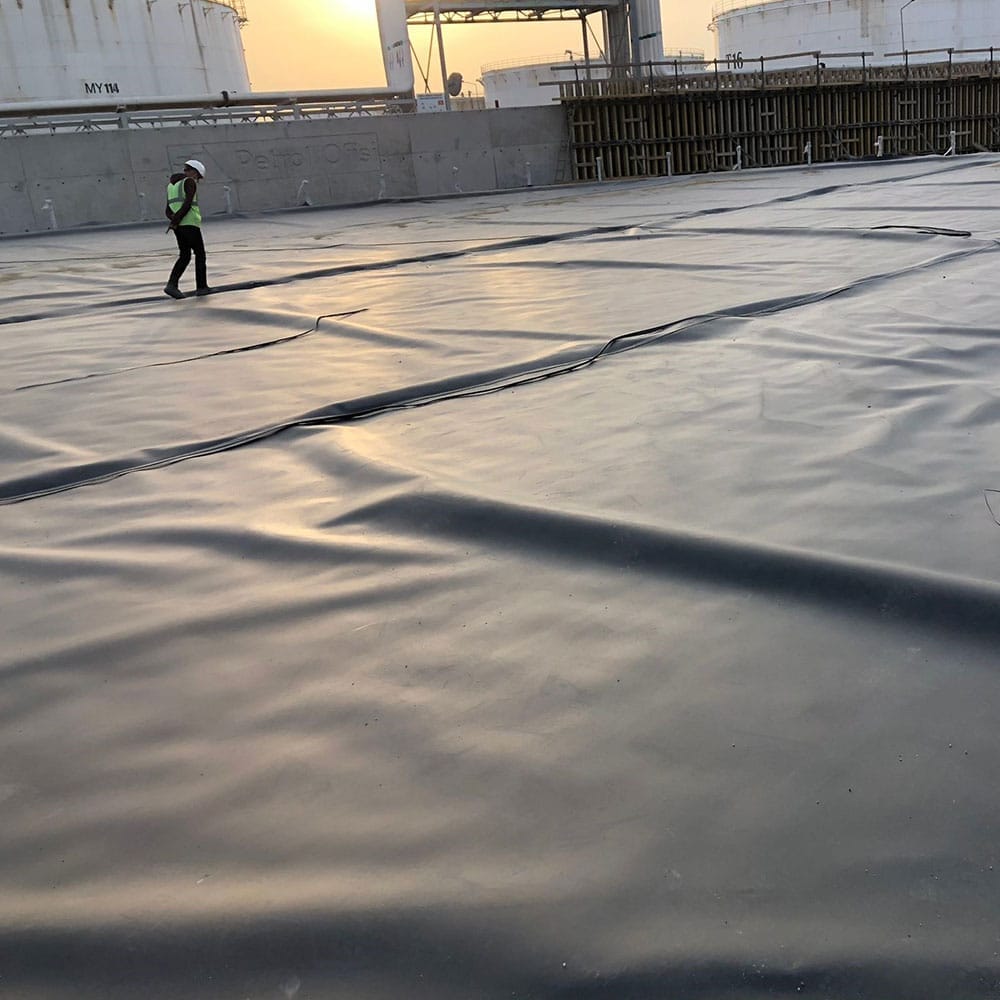
Geotech Geomembrane products are used in foundation and floor insulation applications.